10 Often-Overlooked Decor Pieces to Style an Empty Shelf
A curated selection of small decor pieces — wall hangings, figurines and shelf clocks — to fill an empty shelf, with price ranges and where to find each.
An empty shelf is one of the hardest spots in a room to get right. Most shelf-styling guides reach for the same three things — a vase, a bowl, a stack of books — and the result can feel like every other shelf online. This guide takes a different angle: it gathers the categories that get overlooked in the usual roundups. Wall hangings and small tapestries, decorative figurines and objets, and shelf clocks all add height, texture and a bit of personality without repeating the vase-and-bowl formula. Below is a selection of popular options across a range of prices, grouped so you can pick one or two per shelf rather than crowding it.
Compare the current price, available variant and delivery at the retailer before planning the total. Historical guide prices are not guaranteed purchase prices.
The product examples below are selected from US retailers, with prices in US dollars. If you shop from another country, check delivery availability with the retailer.
01
The visual anchor
Wall hangings and small tapestries
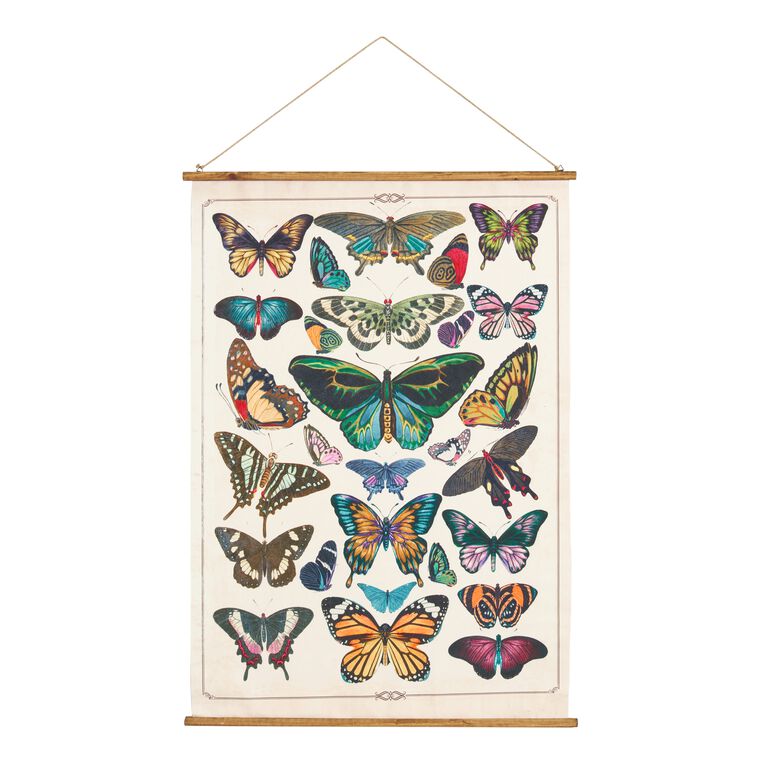
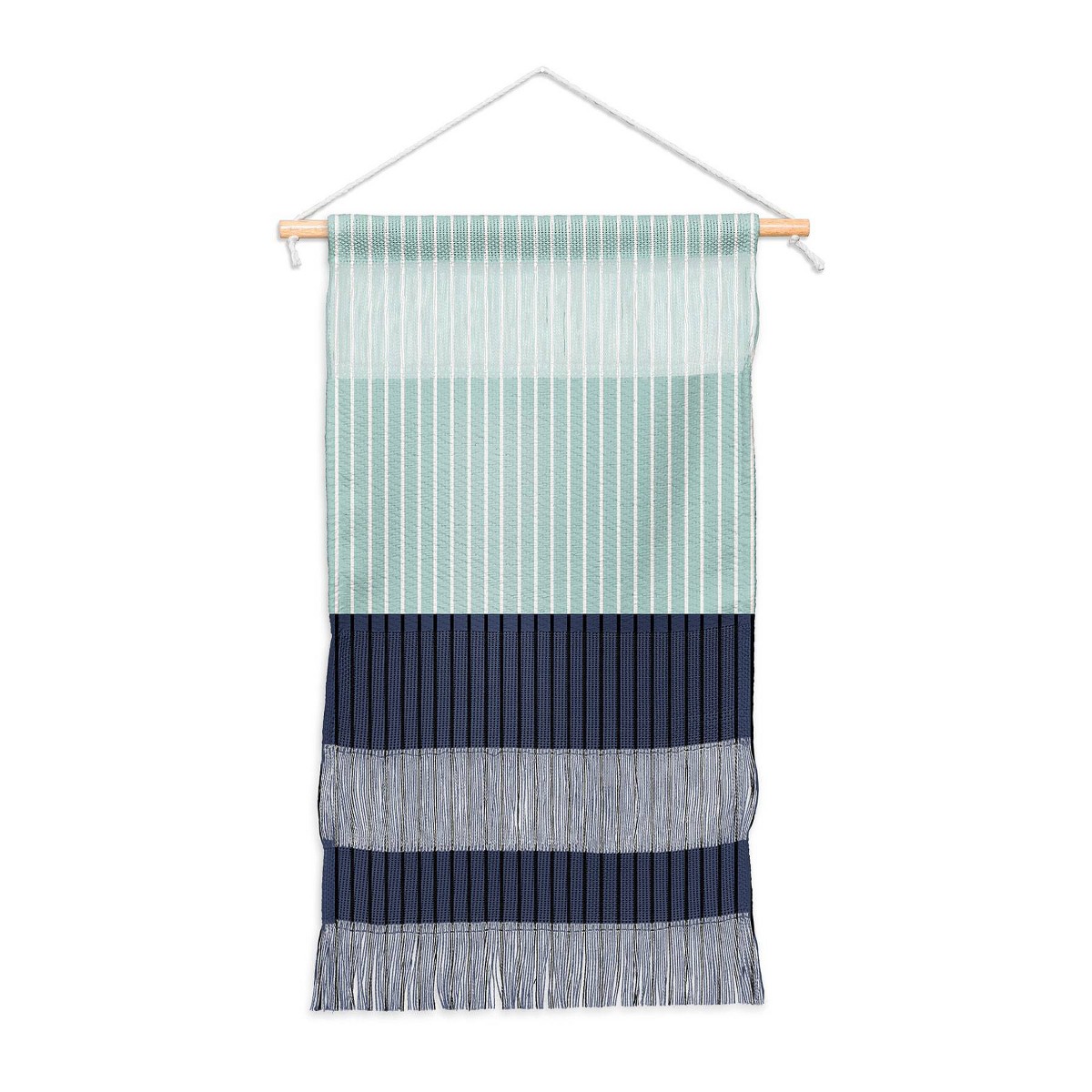
A textile piece behind a shelf softens hard edges and adds colour without taking up surface space. Woven wall hangings, small framed tapestries and macramé pieces are widely available and tend to sit in the $20-$60 range for smaller sizes. Look for a width that is roughly two-thirds of the shelf it sits above, so it frames the objects rather than competing with them.
Choose fixings from the actual weight, wall surface and manufacturer instructions, not the width of the piece. Adhesive hooks can be unsuitable for some surfaces and do not guarantee damage-free removal. If you rent, check permissions before hanging anything.
Small sculptural objects — a brass animal, a ceramic form, a stone bookend that doubles as decor — draw the eye and are easy to swap seasonally. This is the category most missing from standard shelf roundups, which makes it useful for building a look that does not feel copied. Popular options run from about $15 for simple ceramics to $50+ for cast-metal pieces.
Materials and finishes need different care. Check the specific product’s care instructions, and avoid assuming that a finish will last indefinitely or tolerate direct sunlight.
Primary example
Animal Icon Decorative Object (King Charles Cavalier)
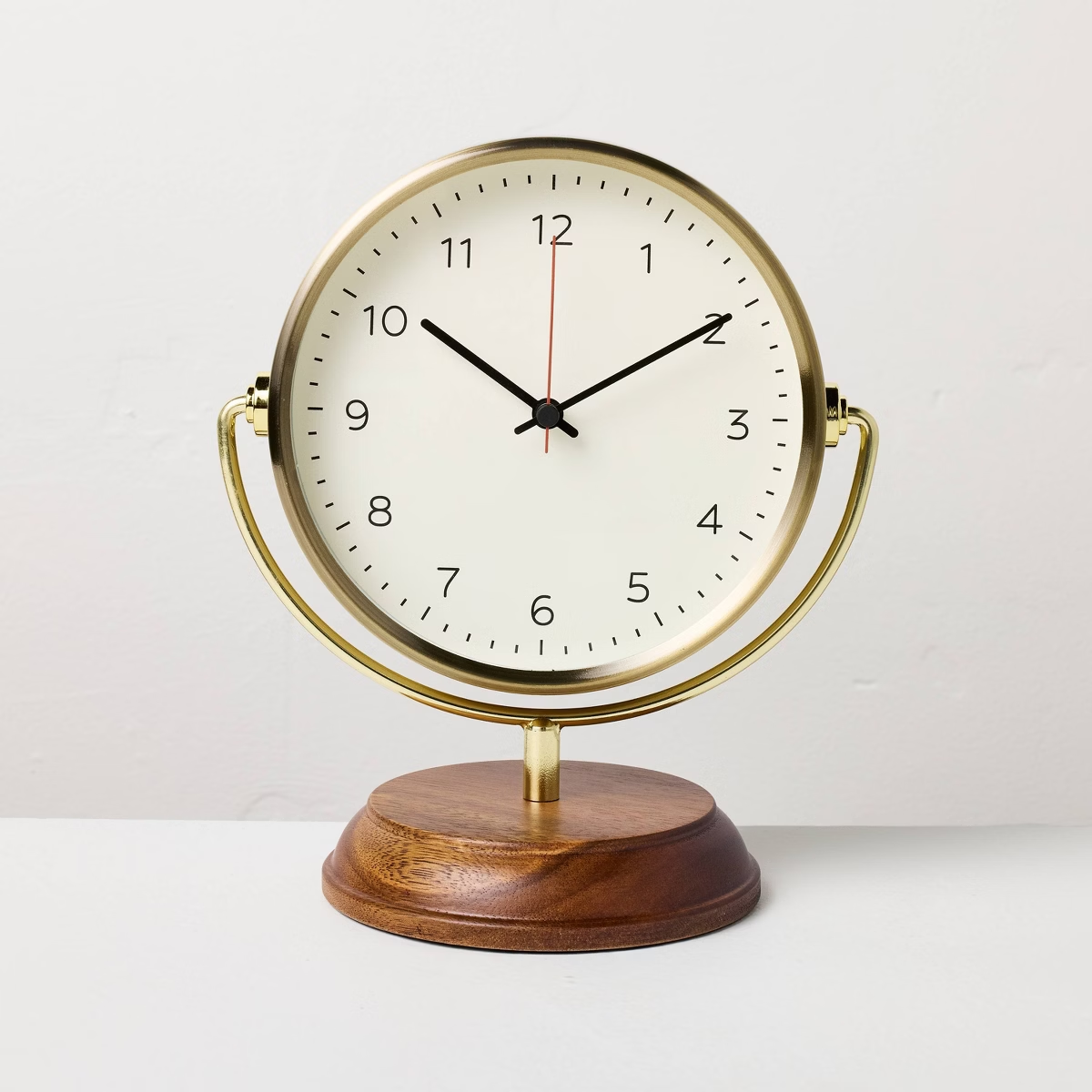
A small clock is both functional and decorative, and it reads as intentional on an otherwise busy shelf. Tabletop and mantel styles in wood, metal or a minimalist face suit most rooms and generally fall in the $25-$70 range. One clock per shelf grouping is plenty.
A quiet mechanism is worth checking if the clock will be in a bedroom. The listing for a specific model should confirm the movement and any silent or non-ticking feature; quartz alone does not establish that it is silent.
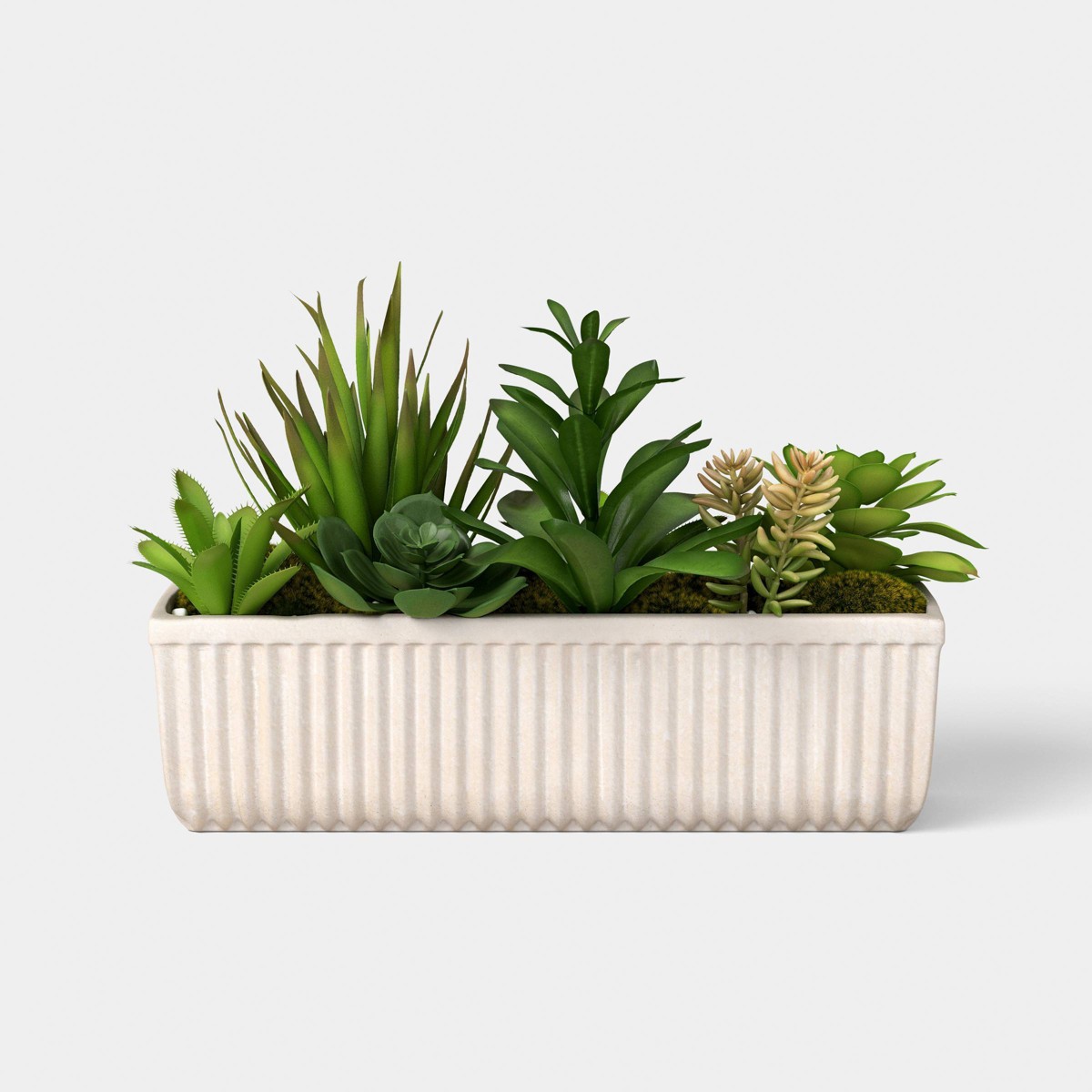
Once you have a statement piece from the categories above, a few quieter supporting items pull the group together: a small trailing plant or faux stem for softness, a low tray to anchor loose objects, and a candle or textured vessel for a bit of warmth.
These pieces work best chosen last, once the statement piece is already in place, since their job is to fill the gaps and echo a colour or material already on the shelf rather than introduce a new one. A tray in particular does double duty: it defines a boundary for smaller loose objects — a coaster, a small dish — so they read as a grouped vignette instead of clutter.
Primary example
Storied Home Paulownia Wood Decorative Tray — Natural
A reliable approach is the “three heights” idea: one tall element (a wall hanging or a stem), one medium (a clock or a figurine), and one low (a tray or a stack of two books). Odd numbers tend to look more relaxed than even ones, and leaving some empty space around the group keeps it from feeling cluttered. You do not need every category on one shelf — pick two or three per grouping and let the rest breathe. This is a styling principle, not a rule, so treat it as a starting point and adjust to your own space.
Matching scale to your shelf
Scale matters as much as which categories you choose. A single larger piece — an oversized figurine or a wide wall hanging — can carry a narrow shelf on its own, while several small objects crowded onto a deep, wide shelf tend to disappear and read as unfinished rather than curated. As a rough guide, no single object should take up more than about half the shelf’s width, and the tallest piece should stay under roughly two-thirds of the gap between that shelf and the one above it.
Mixing materials without it looking accidental
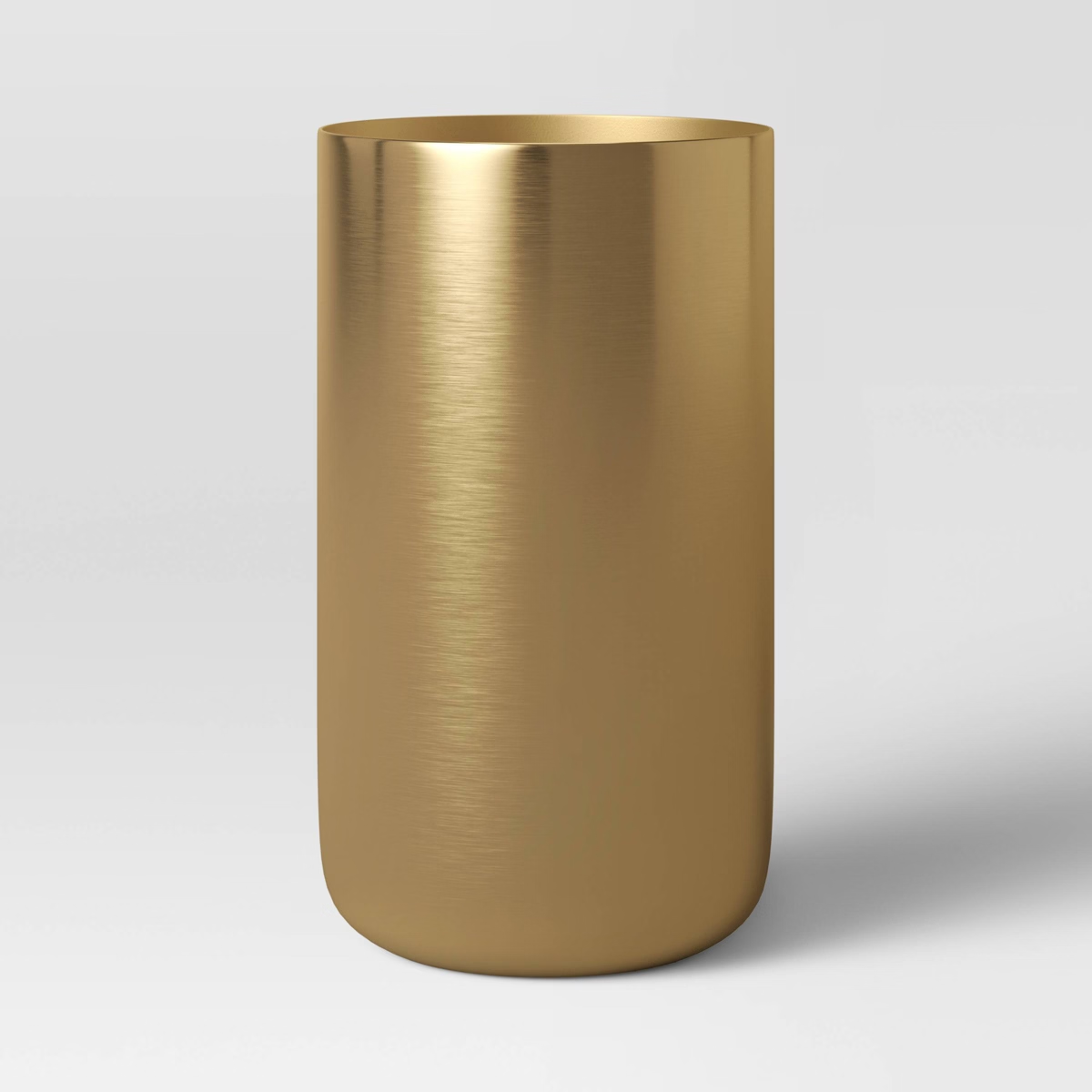
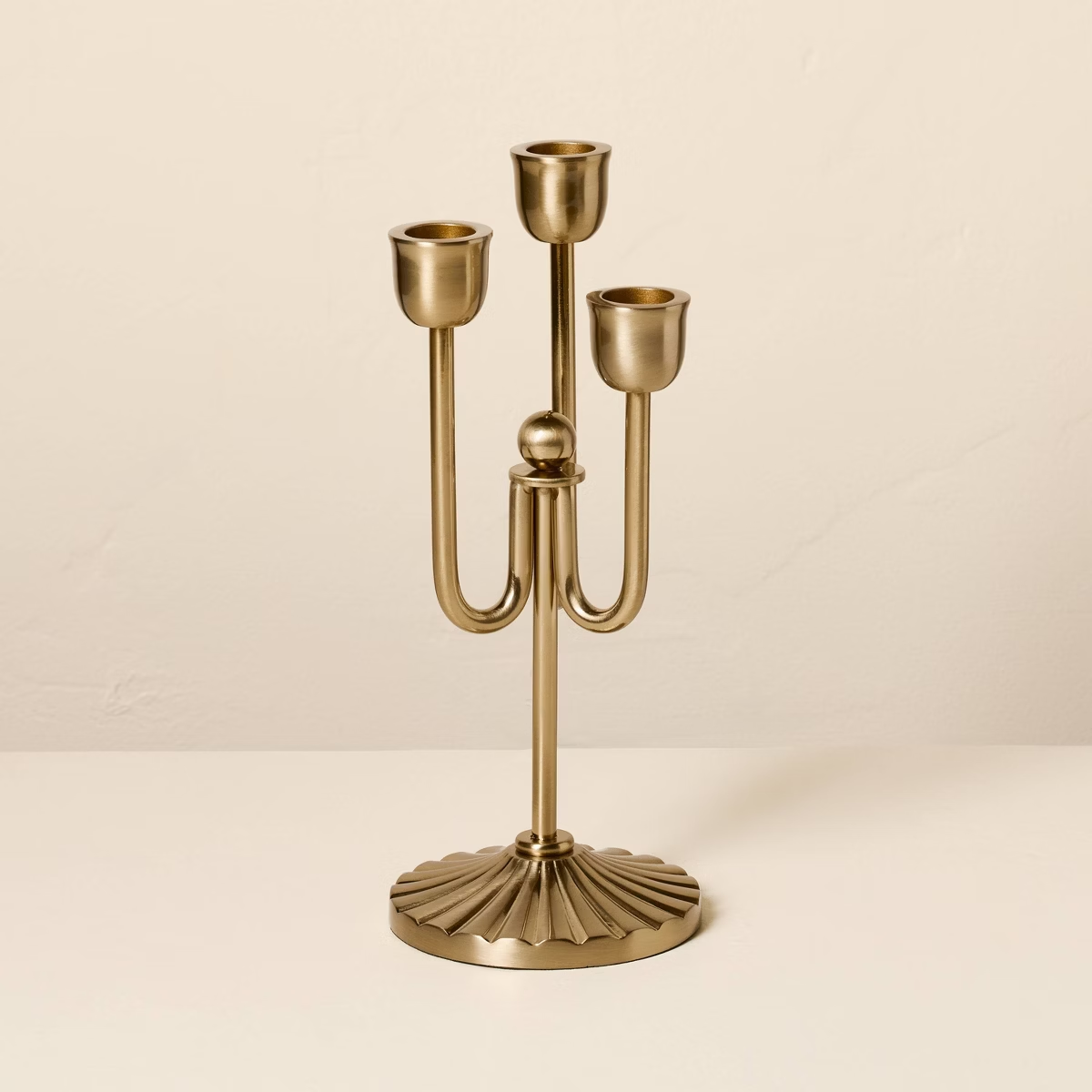
Wood, brass, ceramic and woven textile all read as warm materials and mix well together, which is part of why the four categories on this page work as a set. The combination worth watching is glossy and matte finishes of the same metal sitting side by side — a high-shine brass object next to a brushed or antiqued one can look like a mismatch rather than a deliberate mix. Picking one finish per metal tone, the same principle that works for bathroom hardware, keeps a mixed-material shelf from looking accidental.
If you are styling more than one shelf, keep a single thread running through them — a repeated material like brass, or a repeated colour — so the shelves read as a set rather than a collection of unrelated objects.
A FEW LAST QUESTIONS
Frequently Asked Questions
Do I need to include all four categories on one shelf?
No — the guide’s own advice is to pick two or three categories per grouping and let the rest breathe, rather than fitting all four onto a single shelf.
What is the “three heights” idea?
One tall element (a wall hanging or a stem), one medium (a clock or a figurine), and one low (a tray or a stack of two books). Odd numbers tend to look more relaxed than an even count.
How do I keep several shelves looking like a set?
Keep a single thread running through them — a repeated material like brass, or a repeated colour — so the shelves read as a set rather than a collection of unrelated objects.
How much should I expect to spend per category?
Roughly $20-$60 for a wall hanging, $15 to $50+ for a figurine, and $25-$70 for a clock, depending on size and material.
Can I mix brass and wood finishes, or should everything match?
Yes — wood, brass, ceramic and woven textile all read as warm materials and mix well together, which is part of why the four categories on this page work as a set. The detail worth watching is glossy versus matte finishes within the same metal tone, covered in the buying guide above, rather than the materials themselves.
Larkholm is reader-supported. Some links on this page are affiliate links; if you buy through them we may earn a commission at no extra cost to you. See our Affiliate Disclosure.
THE LAST WORD
Keep what works. Choose what solves the next problem.
A considered room is built through useful decisions, one detail at a time.