Primary example
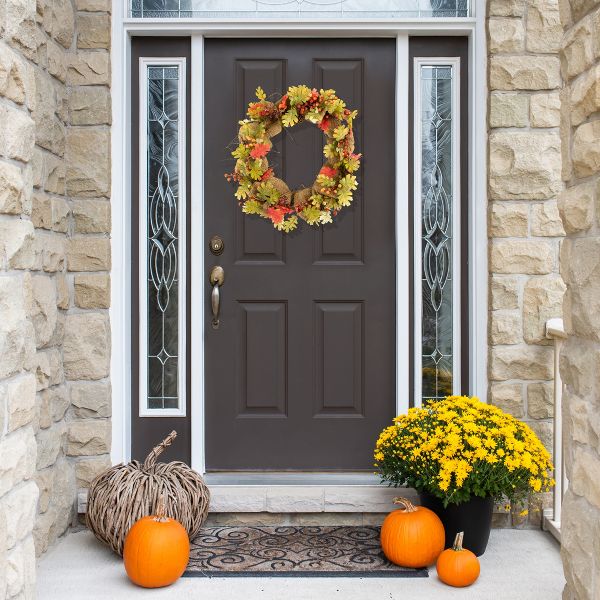
Northlight Berries & Pinecones Autumn Wreath — 18 inch
18 inch · Unlit
$35.99Details at Target ↗
FALL DECOR GUIDE · US · USD
A seasonal edit of ten fall decor examples for the entryway, with a simple calendar for when to shop and how to reuse them next year.
Read the guide ↓Seasonal decor works best when it is planned, not rushed. Fall is the easiest season to start with because the palette is forgiving and the pieces store well for next year. This is a considered edit of ten examples to refresh the first room guests see — the entryway — all in an accessible price range. It is part of a recurring seasonal calendar rather than a one-off: the same structure repeats for Halloween, the winter holidays, and spring, so you build a small library of decor you reuse rather than replace.
Treat the ten examples as a menu of ideas rather than a shopping list. Begin with one or two changes and reuse what you already own. Compare the current price cards, delivery charges and stock before ordering; the selected wreath exceeds $30, while several of the smaller accents cost less.
The product examples below are selected from US retailers, with prices in US dollars. If you shop from another country, check delivery availability with the retailer.
The front-door cue
A wreath introduces the season at a glance. The selected 18-inch Northlight wreath brings together orange berries, autumn leaves, acorns and pinecones on a twig backing. Compare its current price with the smaller accents in this guide before deciding where to focus your budget.
The retailer recommends indoor use, or a covered area if used outdoors. Consider an interior wall or sheltered door, check the mounting method and allow room for its 18-inch diameter. The branches arrive compressed and need reshaping; this is not a weatherproof recommendation for an exposed front door.
Primary example
18 inch · Unlit
The textile layer
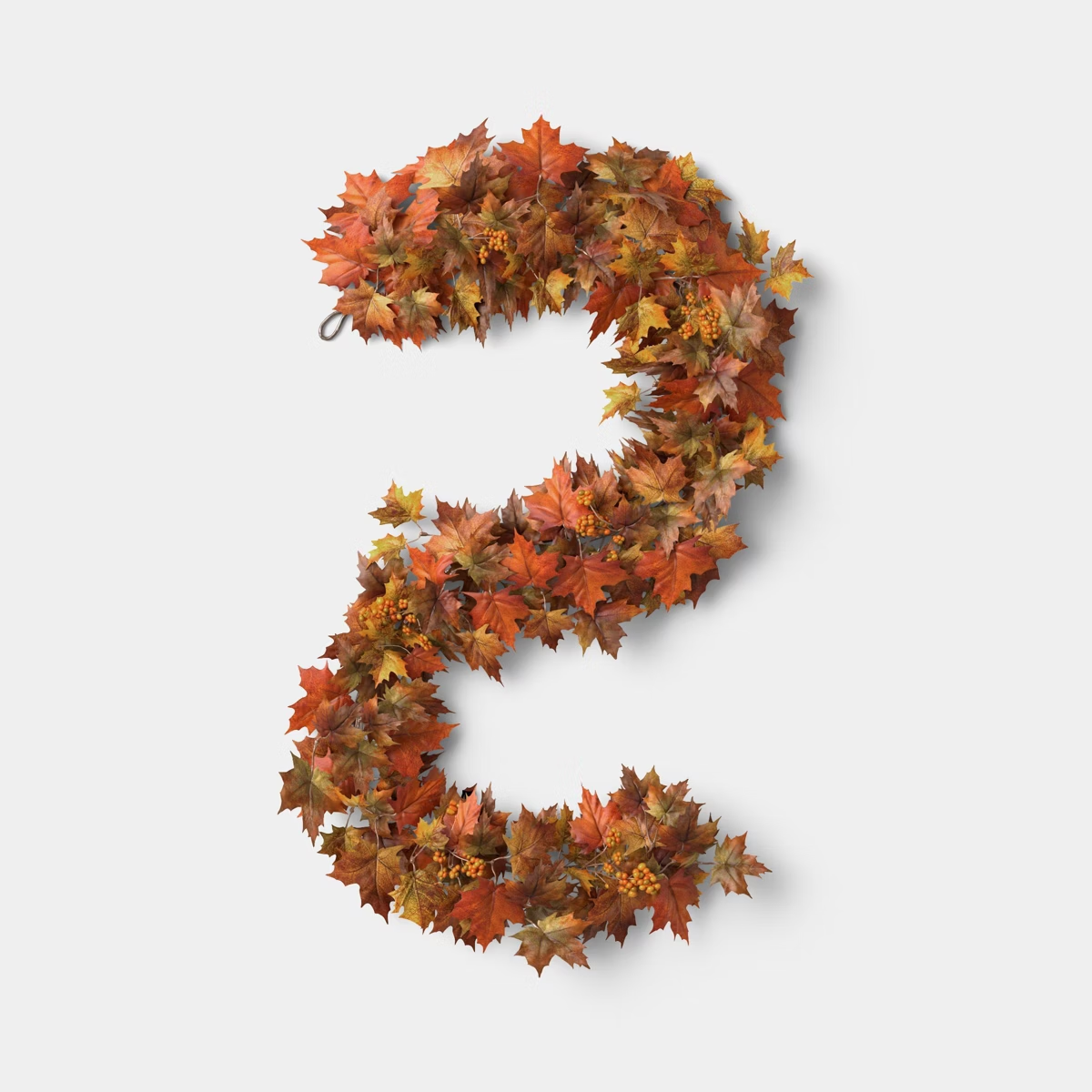
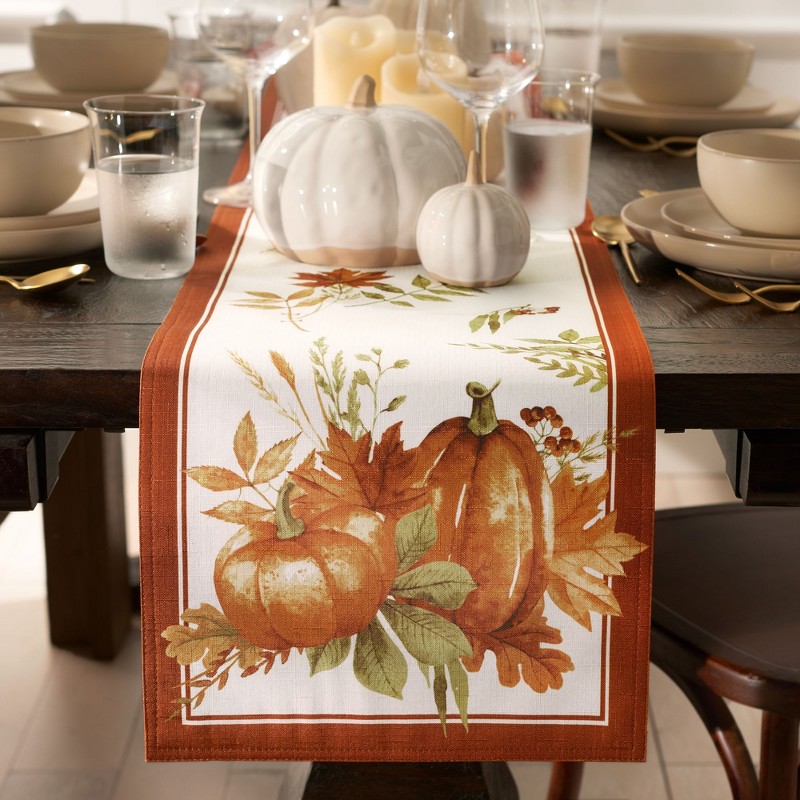
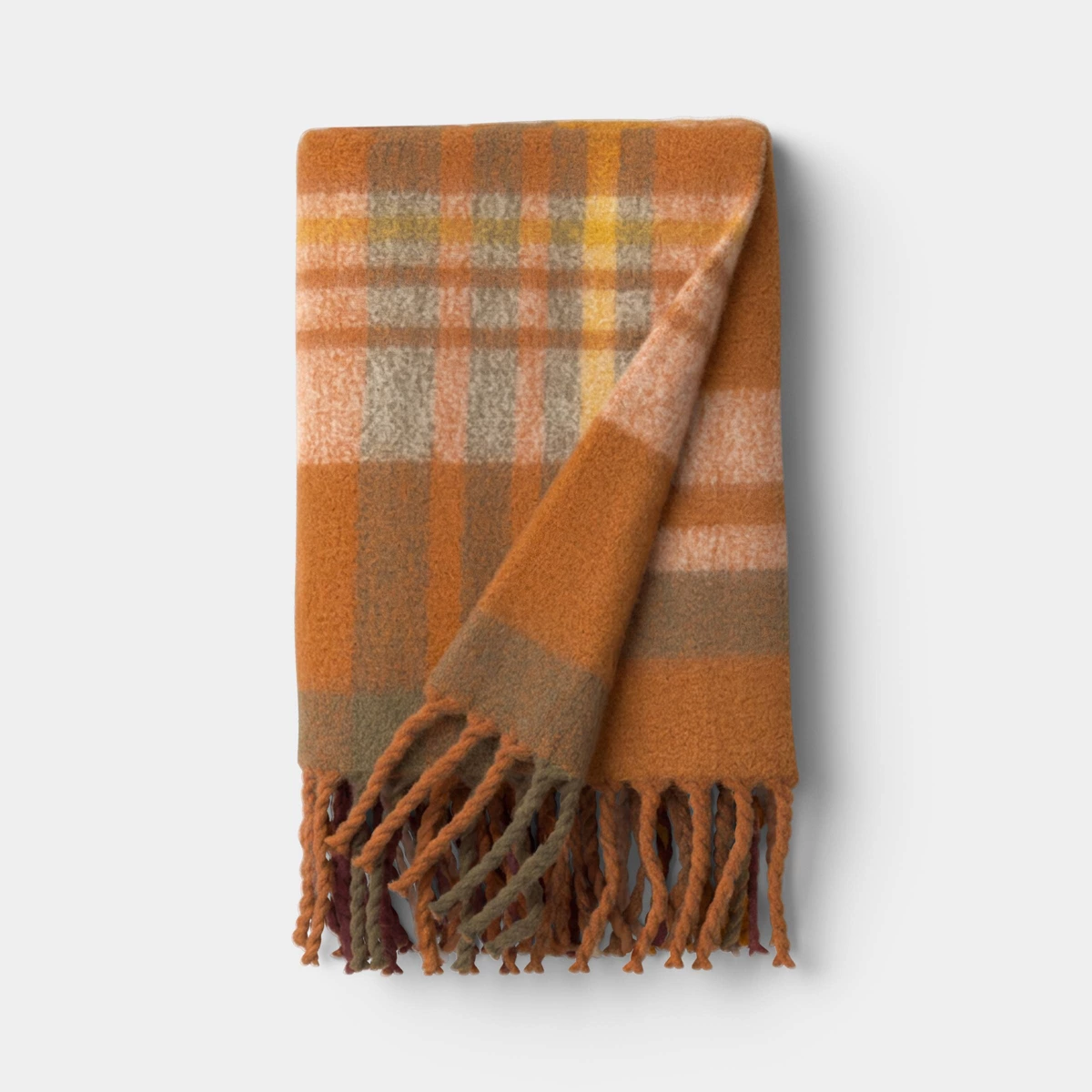
A short table runner or a textured mat in rust, ochre or deep green instantly shifts an entry console into the season. Look for washable fabrics so they survive storage. Around $12-$25.
Washability matters more here than in most of the categories on this page, since a runner sits directly under whatever is set on the console — a spilled candle, a dropped pumpkin. A machine-washable cotton or polyester blend, rather than a dry-clean-only textured weave, keeps a single accident from ending the piece’s useful life.
Primary example
Orange/Rust · 13 × 70 inch
Warm light
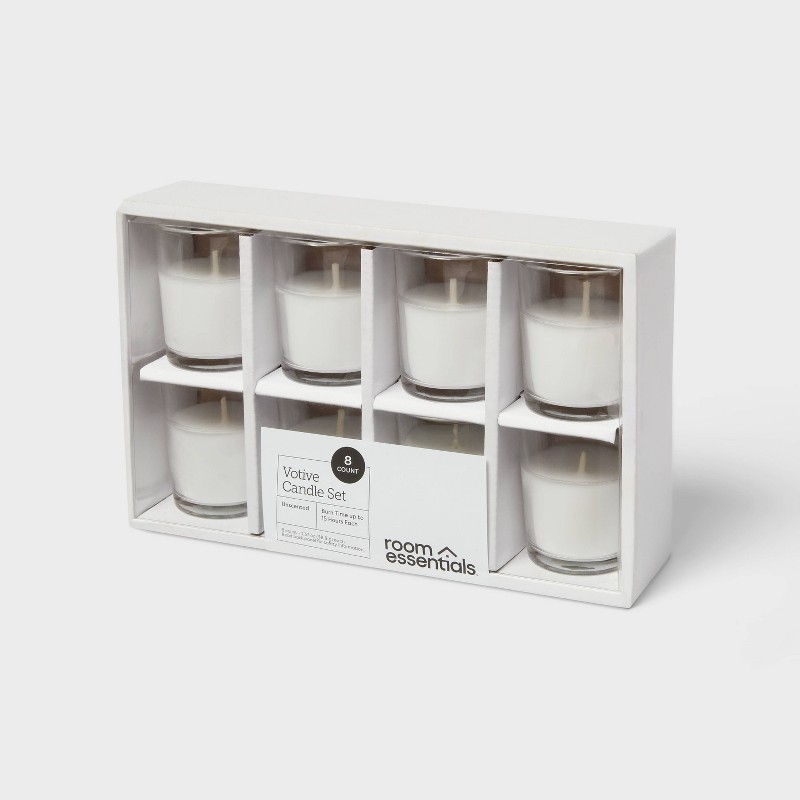
Glass votives or a cluster of pillar candles add the low, warm light the season is known for. Unscented options suit an entryway where people pass quickly. Typically $8-$20 for a set.
Buying a set rather than single candles is the better value here almost without exception. An 8-pack works out to roughly $1 per candle, well under what individual votives typically cost, and leaves enough for both an entryway grouping and a second one elsewhere in the room.
Natural height
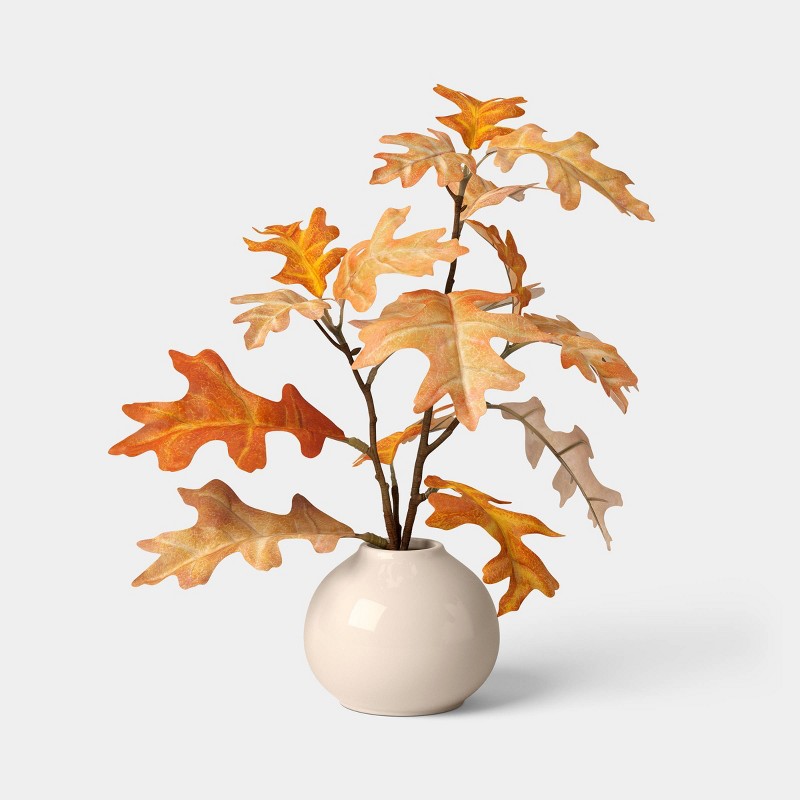
Dried-look oak leaf, pampas or wheat stems in a simple vase carry the palette without the upkeep of fresh flowers, and they reappear every autumn. About $10-$25 for stems plus a vessel.
An arrangement that already includes its vessel, rather than stems sold separately, is usually the simpler buy for a first seasonal shelf — it skips the guesswork of matching a vase’s proportions to the stems, at the cost of slightly less flexibility to restyle later on.
The seasonal accent
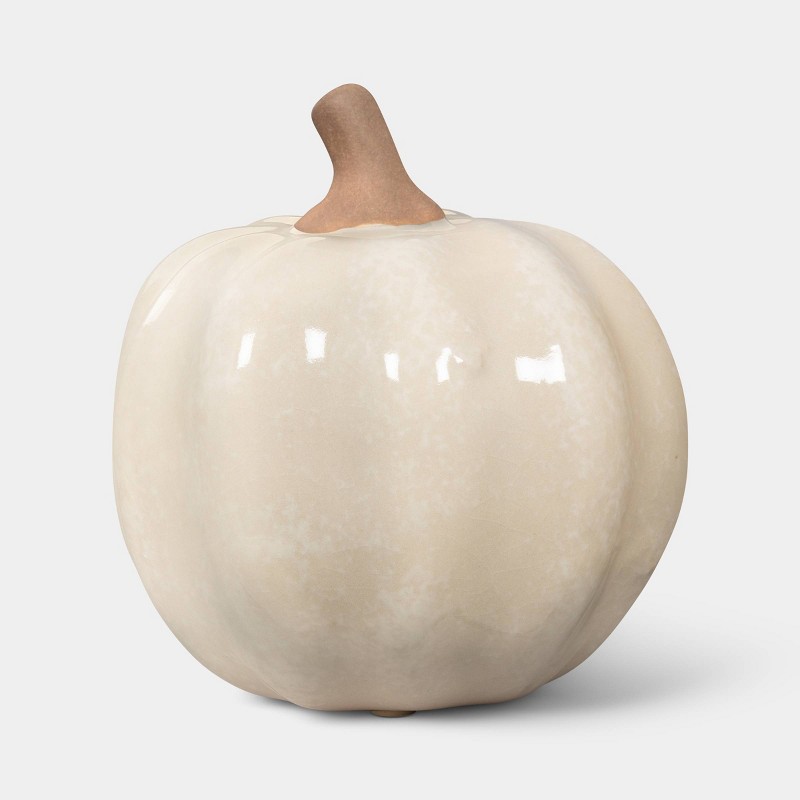
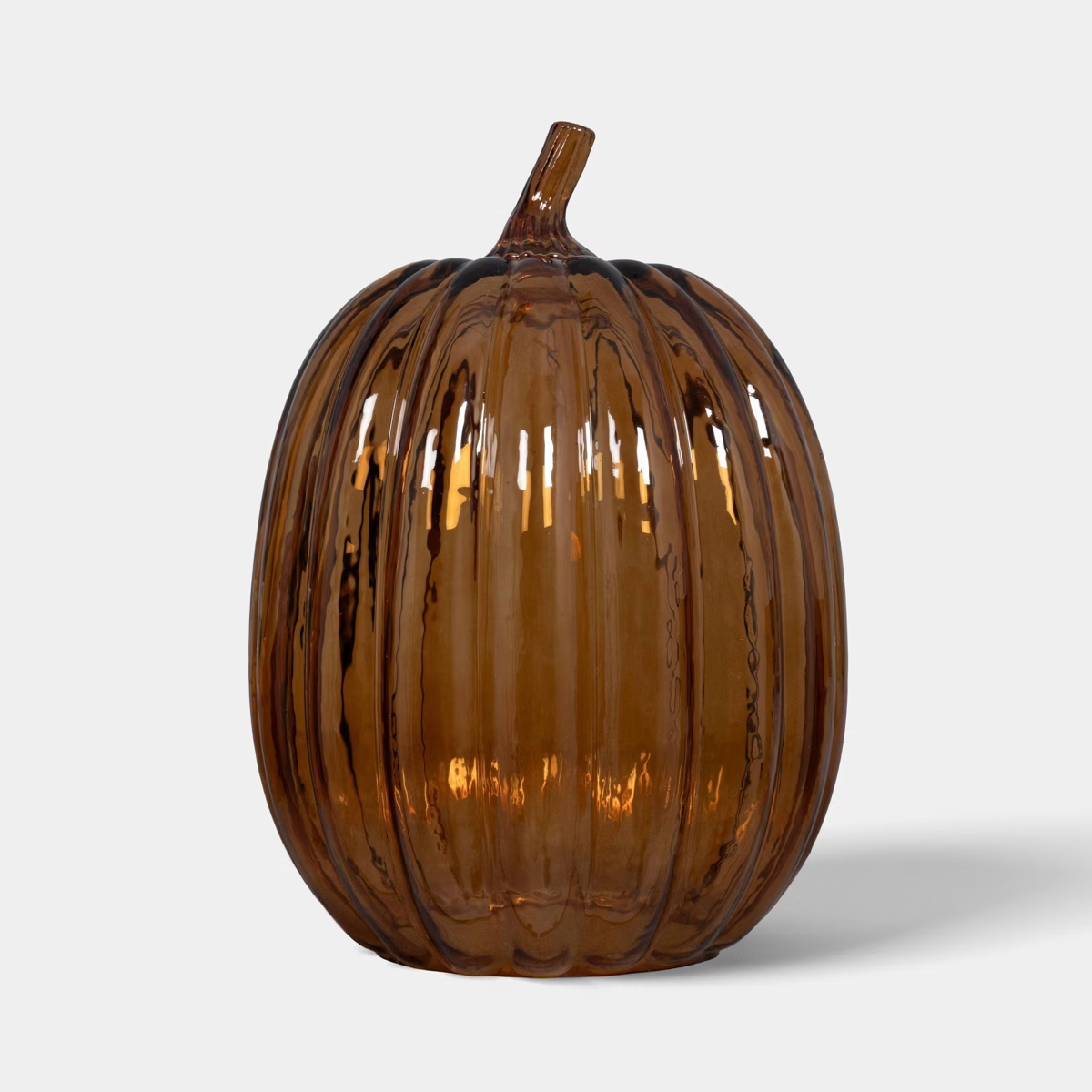
Velvet, ceramic or wooden pumpkins in muted tones are the recognisable signal of the season and the easiest pieces to store and reuse. A small grouping runs $10-$20.
Buying pumpkins individually rather than as a pre-packaged trio gives more control over the grouping the guide recommends — an odd number, three most often, in slightly different sizes reads as a natural cluster, while a uniform boxed set of identical pumpkins can look more staged.
Primary example
Ivory · medium 5.24 inch
The practical finish
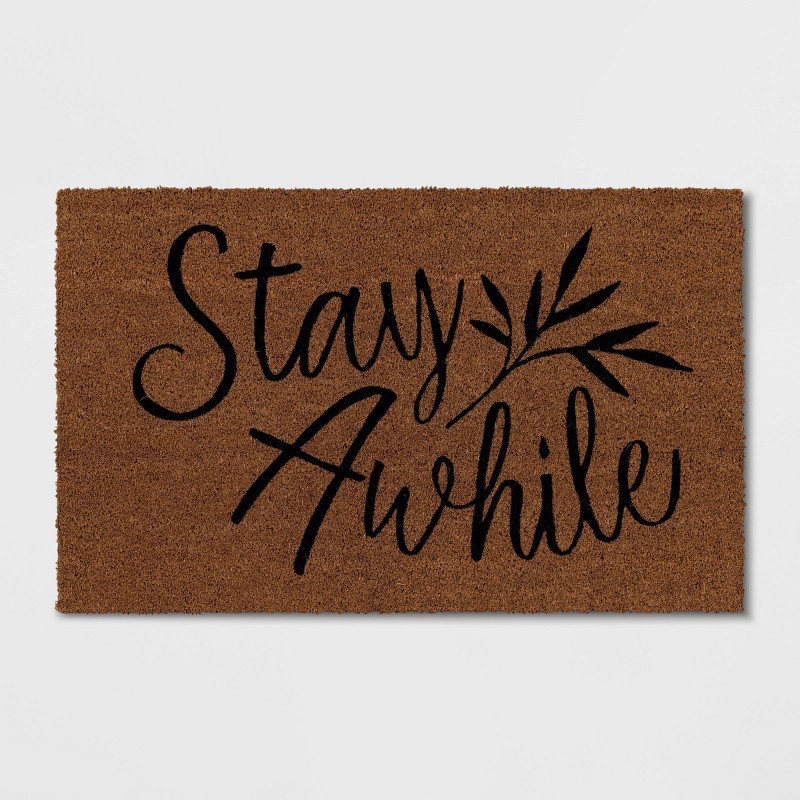
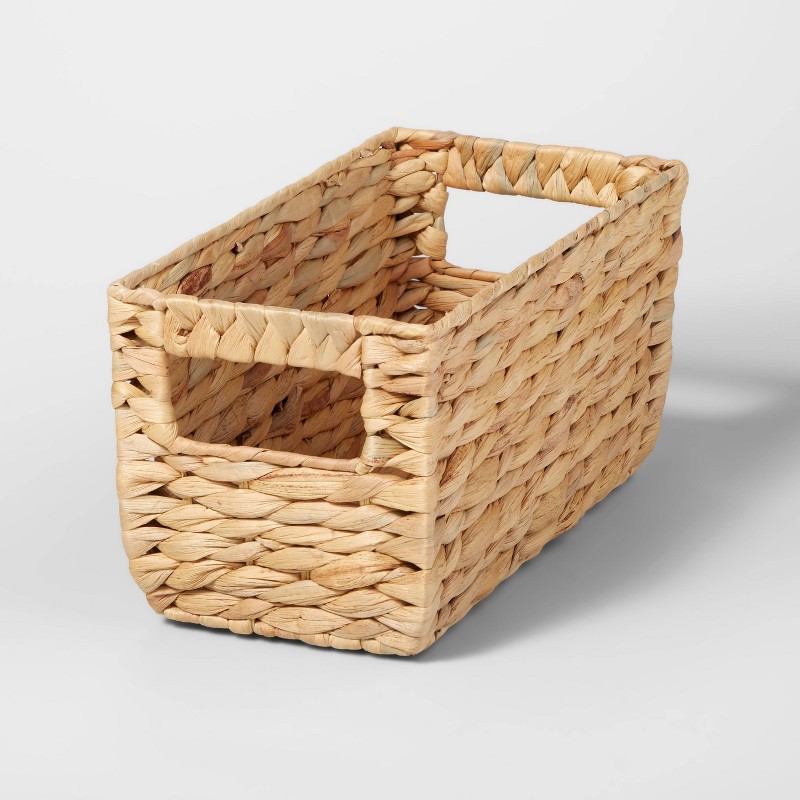
A coir doormat and a woven basket for boots or throws are practical pieces that happen to look seasonal, and they earn their place year-round. Around $15-$30.
Both pieces are practical rather than purely decorative, which is why they are grouped together here: unlike the wreath or the pumpkins, a doormat and a storage basket earn their spot by the door every month of the year, with the fall-toned colourway simply being the seasonal version of an item you would own anyway.
Also considered
Small · 12 × 6 × 6 inch
A FEW LAST QUESTIONS
In late summer, before the best ranges sell through — that gives you the widest choice and the most time to enjoy the pieces before the season ends.
Move them into a single labelled box the week after the season ends, so they are easy to find next year, and keep a two-line note of what you bought and where it is stored.
No — the idea is a small, reusable library. When the next season comes around, you repeat the same structure (a door piece, a textile, lighting, stems, a few small objects, a practical piece) and only add what is missing.
Yes — the same structure repeats for Halloween, the winter holidays, and spring, so the calendar model keeps working year-round.
Compare the current price, available variant and delivery at the retailer before planning the total. Historical guide prices are not guaranteed purchase prices.
Larkholm is reader-supported. Some links on this page are affiliate links; if you buy through them we may earn a commission at no extra cost to you. See our Affiliate Disclosure.
THE LAST WORD
A considered room is built through useful decisions, one detail at a time.
Back to the guide ↑